This article contains affiliate links. If you purchase through these links, we may earn a commission at no extra cost to you.
If you’ve been researching anti-aging skincare, you’ve probably seen peptides mentioned everywhere. Beauty editors call them “the Botox alternative.” Dermatologists recommend them for firmness and wrinkles. Your favorite influencer swears by her peptide serum. But what exactly are peptides, and do they actually work?
Here’s what makes peptides different from other anti-aging ingredients: they’re not just treating symptoms on the surface. Peptides are actually communicating with your skin cells, telling them to produce more collagen, repair damage, and act younger. Think of them as tiny messengers carrying instructions that help your skin remember how to be firm and smooth.
Unlike retinol, which can be harsh and irritating, peptides are gentle enough for even the most sensitive skin. Unlike vitamin C, which primarily protects and brightens, peptides actively work to rebuild your skin’s structure from within. And unlike actual Botox, they’re completely non-invasive and work gradually to improve your skin’s natural firmness.
In this comprehensive guide, I’m going to break down exactly what peptides are, how they work, which types do what, and most importantly—which peptide serums are actually worth your money. Whether you’re in your 30s preventing early signs of aging or in your 50s looking to restore firmness, there’s a peptide solution for you at every budget.
Let’s decode the science and find your perfect peptide match.
Table of Contents
What Are Peptides? The Simple Science
At their core, peptides are short chains of amino acids. If you remember from biology class, amino acids are the building blocks of proteins. When amino acids link together in chains, they form peptides. When those peptide chains get long enough, they become proteins like collagen and elastin—the structural proteins that keep your skin firm, smooth, and youthful.
Here’s the key insight: your skin naturally produces peptides as part of its collagen creation process. When collagen breaks down (which happens naturally with aging, sun damage, and environmental stress), it releases specific peptide fragments. Your skin recognizes these fragments as a signal that collagen has been damaged and needs repair.
This is where skincare peptides come in. When you apply peptide serums topically, you’re essentially sending your skin a message: “Hey, collagen is breaking down here. Time to make more!” Your skin responds by ramping up collagen production, improving firmness, smoothing wrinkles, and strengthening the skin barrier.
It’s not magic—it’s biology. You’re working with your skin’s natural communication system, not against it.
Why Peptides Work Better As We Age: In our 20s, our skin is constantly producing collagen and responding efficiently to natural signals. But after 30, collagen production decreases by about 1% per year. By the time we’re 40 or 50, our skin isn’t just producing less collagen—it’s also becoming less responsive to its own repair signals. Peptide serums amplify those signals, essentially turning up the volume on messages your skin might otherwise miss.
The Different Types of Peptides (And What Each One Does)
Not all peptides are created equal. Different peptide types perform different functions in your skin. Understanding this helps you choose products that target your specific concerns.
Signal Peptides: The Collagen Boosters
What they do: Send direct messages to your skin cells to produce more collagen, elastin, and other structural proteins.
Best for: Fine lines, loss of firmness, overall anti-aging
Common names on labels: Palmitoyl Tripeptide, Palmitoyl Pentapeptide, Matrixyl (a specific blend of signal peptides)
Why they work: These peptides mimic the fragments released when collagen breaks down. Your skin recognizes them and responds by making fresh collagen to “repair” what it thinks is damage.
Think of signal peptides as the project managers of your skin—they identify what needs to be built and delegate the work to your skin cells.
Carrier Peptides: The Delivery System
What they do: Transport essential minerals like copper and manganese to your skin cells, which are necessary for collagen synthesis and wound healing.
Best for: Skin repair, reducing inflammation, improving firmness, addressing sun damage
Common names on labels: Copper Peptides, GHK-Cu
Why they work: Copper is crucial for collagen and elastin production, but it can’t easily penetrate skin on its own. Carrier peptides act like vehicles, delivering copper exactly where it’s needed.
Copper peptides are particularly interesting because they don’t just stimulate collagen production—they also have antioxidant properties and help remove damaged collagen that’s past its prime. It’s like having a construction crew that both builds new structures and clears away the debris.
Neurotransmitter Peptides: The “Botox Alternative”
What they do: Temporarily relax facial muscles by blocking the release of chemicals that tell muscles to contract.
Best for: Expression lines (forehead lines, crow’s feet, frown lines)
Common names on labels: Argireline (Acetyl Hexapeptide-8), Syn-Ake
Why they work: When you make facial expressions, your nerves release neurotransmitters that tell your muscles to contract. Repeated contractions over years create expression lines. Neurotransmitter peptides interfere with this signal, leading to less muscle contraction and softer lines.
The reality check: These peptides work, but they’re nowhere near as powerful as actual Botox injections. Botox paralyzes muscles; peptides just slightly reduce contraction. You’ll see subtle softening of lines with consistent use, not dramatic erasing. But that subtlety is actually a benefit—you won’t lose natural facial expression or end up with a frozen look.
Enzyme Inhibitor Peptides: The Protective Guard
What they do: Block enzymes that break down collagen and elastin.
Best for: Prevention, maintaining current firmness, slowing visible aging
Common names on labels: Tripeptide-1, Soybean Peptides
Why they work: Your skin naturally produces enzymes (called metalloproteinases) that break down old collagen so new collagen can take its place. But sun damage, pollution, and aging can cause these enzymes to go into overdrive, breaking down collagen faster than your skin can rebuild it. Enzyme inhibitor peptides slow this process, helping you maintain the collagen you have while signal peptides work to build more.
Think of these as the preservationists—protecting what you already have while other peptides work on building new structure.
Peptides vs. Other Anti-Aging Ingredients: How They Compare
You’re probably already using or considering other anti-aging ingredients. Here’s how peptides stack up and whether you can use them together.
Peptides vs. Retinol
Retinol is the gold standard for anti-aging because it increases cell turnover and stimulates collagen production. It’s powerful but can be irritating, especially for sensitive skin or when you’re first starting.
Peptides are gentler and work through a completely different mechanism. They don’t increase cell turnover but instead focus on signaling your skin to build more structural proteins.
The verdict: You can (and should) use both, but not at the same time. Use retinol at night and peptides in the morning, or alternate nights. If your skin is too sensitive for retinol, peptides are an excellent gentler alternative that still delivers real anti-aging results.
Who should choose peptides over retinol: If you have very sensitive skin, rosacea, eczema, or can’t tolerate retinol’s side effects (dryness, flaking, redness), peptides give you anti-aging benefits without the irritation.
Peptides vs. Vitamin C
Vitamin C is primarily an antioxidant that protects against environmental damage, brightens skin tone, and supports collagen production by acting as a necessary cofactor in collagen synthesis.
Peptides send direct signals to produce collagen and other structural proteins, working through cellular communication rather than antioxidant protection.
The verdict: These are highly complementary. Vitamin C provides the raw materials and protection needed for collagen production; peptides tell your skin to actually make it. However, some experts suggest applying them at different times (vitamin C in morning, peptides at night) to avoid potential interactions, though most modern formulations can be layered together.
The power combo: Vitamin C in the morning under sunscreen, peptides at night under your moisturizer.
Peptides vs. Hyaluronic Acid
Hyaluronic Acid is a hydration powerhouse that holds up to 1,000 times its weight in water. It plumps skin temporarily by drawing moisture into the upper layers.
Peptides work on the structural level to build firmness from within through collagen production.
The verdict: Perfect partners. Hyaluronic acid provides immediate hydration and plumping while peptides work on long-term firmness. Many peptide serums include hyaluronic acid for this exact reason. Use them together without hesitation.
Peptides vs. Actual Botox
Let’s be real about this comparison that gets thrown around a lot.
Botox paralyzes muscles by blocking nerve signals completely. Results are dramatic, immediate, and last 3-4 months. It’s an injectable procedure that requires a medical professional.
Peptides slightly reduce muscle contraction through topical application. Results are subtle, gradual (8-12 weeks), and require continuous use. No needles, no doctor visits, no downtime.
The verdict: Peptides will never replace Botox if you want dramatic results. But they can soften expression lines, delay the need for injectables, or complement your Botox by maintaining results between appointments. They’re best viewed as a prevention and maintenance tool, not a Botox replacement.
The realistic expectation: Think of neurotransmitter peptides as “Botox lite”—maybe 20-30% of the effect at best, but with zero risk, no injections, and maintaining natural facial expression.
The 8 Best Peptide Serums and Creams for Every Budget
Now that you understand the science, let’s get to what actually works. I’ve organized these by price point so you can find effective options regardless of budget. Every product here contains clinically-studied peptides at effective concentrations.
BUDGET-FRIENDLY: Under $20 (Proof You Don’t Need to Spend a Fortune)
1. The INKEY List Collagen Peptide Serum
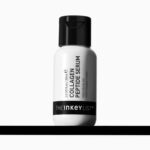
If you’re new to peptides or want to test the waters without a major investment, this is your starting point. The INKEY List has built its reputation on making effective actives accessible, and their Collagen Peptide Serum delivers exactly that.
Key Peptides: Matrixyl (a signal peptide blend specifically studied for its collagen-boosting properties)
What Makes It Special: This serum uses Matrixyl 3000, a specific combination of peptides that has clinical studies showing it can reduce wrinkle depth and improve skin firmness. For the price point, that’s remarkable. The formula is straightforward without unnecessary additions, which means more of your money goes toward active ingredients rather than fancy packaging.
The texture is lightweight and absorbs quickly, making it perfect for layering under other products. It works for all skin types and causes virtually no irritation.
Best For: Beginners to peptides, budget-conscious skincare lovers, anyone wanting to test if peptides work for their skin before investing more
How to Use: Apply 2-3 drops to clean skin morning and/or night before your moisturizer. It layers beautifully under sunscreen in the morning and plays well with retinol at night (apply retinol first, wait 10 minutes, then apply this).
Real Results: Users typically notice smoother skin texture within 3-4 weeks, with improvement in fine lines becoming visible around the 8-week mark. For deeper wrinkles, expect subtle softening rather than dramatic change.
The Catch: The bottle is small (30ml), so if you’re applying to your face, neck, and chest, you’ll go through it fairly quickly. But at this price point, that’s still excellent value.
2. Good Molecules Super Peptide Serum
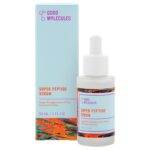
This might be the best value in all of peptide skincare. Good Molecules manages to pack multiple peptide types into one affordable serum, giving you comprehensive benefits without the premium price tag.
Key Peptides: Acetyl Hexapeptide-8 (the “Botox-like” neurotransmitter peptide), Copper Tripeptide-1 (carrier peptide), and Palmitoyl Tripeptide-1 (signal peptide)
What Makes It Special: Most budget peptide serums focus on one peptide type. This serum combines three different types—signal, carrier, and neurotransmitter—meaning you’re getting collagen-boosting, expression-line softening, and repair benefits in one product. That’s usually something you’d find in serums costing 5-10 times more.
The formula also includes niacinamide (vitamin B3) for additional brightening and barrier support, plus hyaluronic acid for hydration. It’s essentially a complete anti-aging serum built around peptides.
Best For: Maximum bang for your buck, people who want multiple peptide types, those with expression lines who can’t afford pricier “Botox alternative” serums
Texture and Application: Slightly thicker than water but still very lightweight. Absorbs within seconds without any sticky residue. Works beautifully under makeup.
How to Use: Apply 3-4 drops to clean skin twice daily. This is gentle enough to use morning and night. If you’re using vitamin C in the morning, apply vitamin C first, let it absorb, then apply this serum.
Real Results: The neurotransmitter peptide (Acetyl Hexapeptide-8) works fastest—many users notice slightly softer forehead lines within 4-6 weeks. The collagen-boosting effects take longer, typically showing up around the 8-12 week mark with improved overall firmness.
Why It’s Underrated: Good Molecules isn’t heavily marketed, so people often overlook it in favor of buzzier brands. But the formulation is solid, the ingredient percentages are effective, and the price is unbeatable.
3. Naturium Multi-Peptide Serum
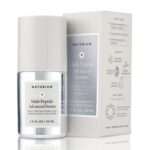
Naturium has quietly become a favorite among skincare enthusiasts who want clean, effective formulations at accessible prices. Their Multi-Peptide Serum delivers on both counts.
Key Peptides: A complex blend including Acetyl Hexapeptide-8, Palmitoyl Tripeptide-1, Palmitoyl Tetrapeptide-7, and Tripeptide-1
What Makes It Special: This serum takes a “more is more” approach, combining multiple peptides that work synergistically. The Acetyl Hexapeptide-8 targets expression lines, while the palmitoyl peptides stimulate collagen and elastin production. Tripeptide-1 helps preserve the collagen you already have by inhibiting enzymes that break it down.
The formula is also loaded with supporting ingredients: niacinamide for brightening and barrier function, hyaluronic acid for hydration, and beta-glucan for soothing. It’s essentially a complete anti-aging treatment in one bottle.
Best For: People who want a comprehensive peptide formula, those dealing with both dynamic wrinkles (from expressions) and static wrinkles (from aging), sensitive skin that needs soothing while treating aging
Texture: Silky, slightly gel-like texture that feels luxurious despite the affordable price. Absorbs quickly and leaves skin feeling smooth and hydrated.
How to Use: Apply to clean skin morning and night. The high niacinamide content makes this particularly good for morning use under sunscreen, as niacinamide provides additional protection against environmental damage.
Real Results: This is a slow-burn product that rewards patience. Don’t expect overnight transformation, but consistent use over 8-12 weeks shows noticeable improvement in skin texture, firmness, and fine line appearance. Several users report that their foundation applies more smoothly after using this for a few weeks—a sign that skin texture is improving.
The Naturium Difference: The brand is transparent about ingredient percentages and formulation philosophy, which builds trust. You know exactly what you’re getting and why each ingredient is included.
MID-RANGE: $20-60 (Where Science Meets Value)
4. The Ordinary Multi-Peptide + Copper Peptides 1% Serum
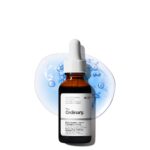
The Ordinary has earned cult status for demystifying skincare ingredients and making them accessible. Their peptide offerings are no exception, though this one is slightly pricier than their usual range because copper peptides are expensive to formulate with.
Key Peptides: Copper Peptides (GHK-Cu) at 1% concentration, plus a supporting cast of signal peptides
What Makes It Special: Copper peptides are the workhorses of skin repair. They don’t just signal collagen production—they actively participate in it, acting as a cofactor in the enzymatic processes that build collagen and elastin. They also have significant antioxidant properties and help remove damaged collagen that’s interfering with skin’s structure.
The 1% concentration is meaningful. Many products claim to contain copper peptides but include them at such low concentrations they’re essentially ineffective. The Ordinary uses an amount that’s been studied in clinical settings.
Best For: Mature skin (40+), sun-damaged skin, anyone dealing with loss of firmness, those who want science-backed formulations without marketing fluff
The Blue Color: Don’t be alarmed when you open this serum and see it’s bright blue. That’s the natural color of copper peptides, not added dye. It doesn’t stain your skin—the color disappears upon application.
Texture and Application: Very lightweight, almost water-like. Absorbs immediately. Apply 3-4 drops to clean skin. Can be used morning and/or night.
Important Note About Layering: The Ordinary recommends not using this with direct acids (vitamin C, AHAs, BHAs) or retinol in the same routine, as pH differences can reduce effectiveness. Use this in the morning and save acids/retinol for nighttime, or alternate days.
Real Results: Copper peptides work more slowly than some other anti-aging ingredients, but the results are comprehensive. After 8-12 weeks of consistent use, expect to see improved skin firmness, better texture, reduced appearance of fine lines, and a more even skin tone. Some users also report improved wound healing and faster recovery from breakouts—copper peptides are excellent for skin repair.
Why Dermatologists Like It: Copper peptides have decades of research behind them, unlike some newer trendy ingredients. The evidence for their effectiveness is solid.
5. Olay Regenerist Micro-Sculpting Serum
Don’t let the drugstore brand fool you—Olay’s research and development budget rivals that of luxury brands, and their Regenerist line proves it. This serum has been reformulated over the years to incorporate the latest peptide science.
Key Peptides: Amino-Peptide Complex (proprietary blend of peptides and amino acids designed to penetrate deeply)
What Makes It Special: Olay has conducted extensive research on how peptides penetrate skin and which molecular weights work best. Their Amino-Peptide Complex is formulated to reach the deeper layers of skin where collagen is actually produced, not just sit on the surface.
The serum also contains niacinamide at a meaningful concentration (studies show the Regenerist line uses around 5%, which is the percentage shown in clinical studies to improve texture and tone).
Best For: People who want a trusted brand with proven results, those who prefer a multi-tasking product, anyone looking for a serum that hydrates while treating aging
Texture: Rich but not heavy—it has a slightly creamy serum texture that feels indulgent without being greasy. This is nice for dry or mature skin that needs more than a lightweight serum.
How to Use: Apply to clean skin morning and night before moisturizer. The formula is hydrating enough that some people with normal skin skip moisturizer in the morning, though I’d still recommend one for optimal results.
Real Results: Olay has clinical studies showing improvement in fine lines, firmness, and overall skin quality after 28 days of use. These aren’t just marketing claims—they’re backed by actual research data. Users consistently report smoother texture and a “plumped” appearance that makes skin look more youthful.
The Trust Factor: Olay has been around for decades and has never relied on trendy marketing. They let results speak for themselves, which is refreshing in an industry full of empty promises.
Value Proposition: This serum is often on sale at various retailers. At full price it’s mid-range; on sale it’s a steal for the quality you’re getting.
6. Paula’s Choice Peptide Booster
Paula’s Choice is known for no-nonsense, research-backed formulations without fragrance or irritating ingredients. Their Peptide Booster lives up to that reputation with a concentrated blend designed to layer into any routine.
Key Peptides: Eight different peptides including Palmitoyl Tripeptide-1, Palmitoyl Tetrapeptide-7, Acetyl Hexapeptide-8, and copper peptides
What Makes It Special: This is truly a booster—it’s designed to be added to your existing routine rather than replace other products. The high concentration of peptides (eight different types) means you’re getting comprehensive benefits: collagen stimulation, expression line softening, skin repair, and collagen preservation all in one bottle.
The formula is also loaded with antioxidants and skin-soothing ingredients, making it suitable even for sensitive or reactive skin.
Best For: Skincare enthusiasts who want to customize their routine, people already using Paula’s Choice products, those with very dry skin (this adds an extra layer of treatment and hydration), anyone wanting maximum peptide variety
How to Use: This is where it gets interesting. You can use this several ways:
- Mix a few drops into your moisturizer for an anti-aging boost
- Layer it under your regular serum for extra peptide power
- Apply it alone as a treatment serum
- Mix it into your foundation for a skin-improving makeup base
Texture: Lightweight gel-cream that’s slightly thicker than a typical serum. This is intentional—it’s meant to add hydration along with peptides.
Real Results: Because this is so concentrated, users often see results faster than with some other peptide products. Improvement in skin smoothness is noticeable within 3-4 weeks. For deeper lines and firmness, expect to see changes around the 8-week mark.
The Paula’s Choice Philosophy: Everything is fragrance-free, dye-free, and tested for irritation. If your skin is sensitive or reactive, this brand is one of the safest bets in skincare.
PREMIUM: $60+ (Investment Pieces for Serious Results)
7. Alastin Restorative Skin Complex with TriHex Technology
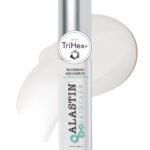
This is the product dermatologists consistently name when asked about their favorite peptide serums. Alastin was developed by a physician specifically to support skin healing and rebuilding, and the science behind it is impressive.
Key Technology: TriHex Technology—a proprietary blend of peptides and other actives designed to clear out damaged collagen and elastin while signaling production of new, healthy proteins
What Makes It Special: Most peptide products focus only on building new collagen. Alastin’s TriHex Technology does something unique: it helps your skin remove old, damaged collagen that’s cluttering up your dermal matrix and preventing new collagen from forming properly. Think of it as clearing away debris so new construction can happen efficiently.
The formula was originally developed for post-procedure healing (after laser treatments, microneedling, etc.), which tells you how powerful the repair and rebuilding capabilities are. But it’s equally effective for general anti-aging use.
Best For: Mature skin with significant signs of aging (50+), people with sun damage, anyone who wants the most sophisticated peptide technology available, those preparing for or recovering from aesthetic procedures
Texture and Absorption: Silky, lightweight serum that absorbs almost instantly. Despite the premium price, a little goes a long way—2-3 pumps covers face and neck.
How to Use: Apply twice daily to clean skin. This works beautifully under sunscreen in the morning and layers well with retinol at night. For post-procedure use, follow your doctor’s specific instructions.
Real Results: This is where the investment pays off. Users consistently report visible improvement in skin firmness, texture, and overall quality within 6-8 weeks. Fine lines soften noticeably, and skin takes on a more resilient, healthy appearance. Several dermatologists have mentioned seeing “dramatic” improvement in patients using this consistently for 3+ months.
Clinical Support: Alastin has published clinical studies showing significant improvement in skin quality, which is rare for a cosmetic product. They’re not just making marketing claims—they have data to back it up.
The Investment Calculation: Yes, this is expensive. But compare it to professional treatments (one laser session can cost $500-2000) or injectable fillers ($600-1500 per syringe), and suddenly a $195 serum that lasts 2-3 months seems more reasonable—especially when it’s working on a cellular level to actually improve your skin’s structure rather than just temporarily filling or resurfacing.
Who Should Skip This: If you’re in your 20s or early 30s doing prevention, this is overkill. Save your money for when your skin actually needs this level of intervention.
8. CeraVe Skin Renewing Night Cream
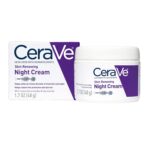
After all those serums, let’s talk about a peptide-infused moisturizer that pulls double duty—treating and hydrating in one step.
Key Peptides: Peptide complex combined with essential ceramides and hyaluronic acid
What Makes It Special: This is the only cream on our list, and it’s here for good reason. While serums deliver concentrated peptides, many people need or prefer an all-in-one product that moisturizes while treating. This cream does exactly that, and it does it at a price point that makes nightly use sustainable.
The formula combines peptides with CeraVe’s signature ceramide complex (three essential ceramides that restore and maintain skin barrier function) plus hyaluronic acid for hydration. You’re getting skin repair, barrier support, and moisture in one product.
Best For: People who prefer creams over serums, very dry or mature skin, anyone wanting to simplify their routine, budget-conscious consumers who want peptides without adding another expensive step
Texture: Rich, creamy texture that feels substantial but not heavy. Absorbs well without leaving a greasy residue. Perfect for nighttime use when skin is in repair mode.
How to Use: Apply as your nighttime moisturizer after cleansing and any treatment serums (retinol, peptide serums, etc.). Can also be used in the morning if you have very dry skin, though it might be too rich under makeup for oily or combination skin types.
Real Results: Because this is a moisturizer with added peptides rather than a concentrated peptide treatment, results are more subtle and gradual. Expect improvement in skin hydration immediately, with firming and fine line benefits appearing after 8-12 weeks of consistent nightly use.
The Barrier Benefit: The ceramides in this formula are arguably as important as the peptides, especially for mature skin. A compromised skin barrier makes every other aging concern worse—dryness, sensitivity, inability to retain moisture. The ceramides repair and strengthen that barrier while peptides work on firmness and lines.
Budget Tip: This cream is frequently on sale at drugstores and mass retailers. Stock up when you see it discounted—it has a long shelf life when stored properly (cool, dark place).
Who Will Love This: Anyone overwhelmed by multi-step routines, people on a budget who can only afford one peptide product, those with very dry skin who need substantial nighttime moisture.
How to Use Peptides in Your Skincare Routine
You’ve chosen your peptide product—now let’s make sure you’re using it correctly to get maximum results.
When to Apply: Morning, Night, or Both?
The short answer: Most peptides can be used twice daily (morning and night) for maximum benefit. They’re gentle enough that morning and evening application won’t cause irritation.
Morning application benefits:
- Peptides provide antioxidant protection against environmental damage
- They layer beautifully under sunscreen and makeup
- Starting collagen-building processes early in the day means more active hours of repair
Evening application benefits:
- Skin repair is most active during sleep
- No concern about layering under sunscreen or makeup
- Pairs well with nighttime treatments like retinol
My recommendation: If you can only apply once daily, choose nighttime when skin is in repair mode. If you can do twice daily, even better—you’re giving your skin 24-hour peptide support.
Layering Peptides with Other Products
The order matters. Here’s how to layer peptides in both your morning and evening routines:
MORNING ROUTINE:
- Cleanser
- Toner (if using)
- Vitamin C serum (if using—though some say to separate from peptides, most modern formulations work fine together)
- Peptide serum
- Eye cream
- Moisturizer
- Sunscreen (always last!)
EVENING ROUTINE:
- Cleanser (double cleanse if wearing makeup/sunscreen)
- Toner (if using)
- Exfoliating acid (if using—1-2x per week)
- Wait 10-15 minutes
- Retinol (if using)
- Wait 10-15 minutes
- Peptide serum
- Eye cream
- Night cream or moisturizer
The golden rule: Apply products from thinnest to thickest consistency. Peptide serums are typically thin and water-based, so they go on before creams and oils.
What to Use WITH Peptides (Power Combinations)
Great Partners:
- Hyaluronic Acid: Perfect pairing. HA hydrates while peptides firm. Many peptide serums include HA for this reason.
- Niacinamide: Complements peptides beautifully. Supports barrier function while peptides work on firmness.
- Ceramides: Strengthen barrier while peptides rebuild structure. CeraVe products combine these purposefully.
- Antioxidants (vitamin E, resveratrol, green tea): Protect against damage while peptides repair it.
Can Use Together (With Caution):
- Vitamin C: Some experts recommend separating (vitamin C morning, peptides night) to avoid pH issues, but many modern formulations work fine together. Start slowly and watch your skin.
- Retinol: Can use in the same routine but apply retinol first, wait 10-15 minutes, then apply peptides. Or alternate nights. Don’t mix them together.
What to Avoid or Separate:
- Direct Acids (AHAs, BHAs, strong vitamin C): High acidity can interfere with peptide stability and effectiveness. Use acids in the morning or on alternate nights from peptides.
- Copper Peptides + Vitamin C: These specifically shouldn’t be used in the same routine. The pH differences and oxidation potential can reduce effectiveness of both.
How Long Until You See Results?
Let’s set realistic expectations because peptides are not an overnight miracle.
Week 1-2: Improved hydration and skin texture. This is from the hydrating ingredients in most peptide formulations, not the peptides themselves yet.
Week 4-6: Subtle smoothing of fine lines. Skin may look slightly more “plumped” and resilient. This is when peptides are starting to show their effects.
Week 8-12: Noticeable improvement in firmness and reduction in fine line appearance. This is when most users become believers in peptides.
Month 6+: Significant improvement in overall skin quality, firmness, and wrinkle depth. This is when the real transformation happens.
The patience requirement: Peptides work at a cellular level, signaling your skin to produce new collagen. Collagen synthesis takes time. Unlike fillers or Botox that show instant results, peptides are a long-term investment in your skin’s health and structure.
Maximizing Your Results
Consistency is everything: Using peptides sporadically won’t give you results. You need to apply them daily for at least 8-12 weeks before judging effectiveness.
Don’t skip sunscreen: All the collagen-building in the world won’t help if you’re simultaneously damaging your skin with UV exposure. Sunscreen is non-negotiable.
Support from within: Consider supplements or foods that support collagen production: vitamin C, amino acids, collagen peptides. The youtric® beauty365 we mentioned earlier provides these building blocks from the inside.
Manage expectations: Peptides can’t undo decades of sun damage or turn back time completely. They can improve firmness, soften lines, and enhance overall skin quality. That’s significant, but it’s not magic.
Support Your Skin from the Inside Out
While topical peptide serums work on the surface and upper layers of your skin, supporting collagen production from within creates a comprehensive approach to anti-aging.
Internal Collagen Support: youtric® beauty365
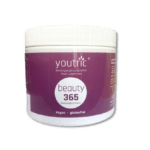
Remember how we talked about peptides being chains of amino acids? Your body uses amino acids to build all the proteins it needs, including collagen and elastin. When you provide your body with the right amino acid building blocks along with essential cofactors like vitamin C, zinc, and copper, you’re supporting collagen production at the deepest level.
What Makes youtric® Different: Instead of animal-derived collagen that your body breaks down into amino acids anyway, youtric® beauty365 provides a complete blend of vegan amino acids (the actual building blocks) along with the essential nutrients your body needs to synthesize collagen: vitamin C, zinc, copper, and biotin.
How It Complements Your Peptide Routine: Think of topical peptides as sending messages to your skin cells: “Make more collagen!” Internal support from youtric® provides the actual materials needed to answer that message: “Here are all the building blocks you need to do exactly that.”
The Comprehensive Approach: Users report improvements not just in facial skin but in overall skin firmness, nail strength, hair health, and even joint comfort. This makes sense—collagen is found throughout your entire body, not just your face.
Mix one scoop with water daily. The pleasant berry flavor makes it easy to incorporate into your morning routine. Most users start seeing improvements around week 4-6, with significant results by week 8-12—which aligns perfectly with the timeline for topical peptide results.
Natural DIY Support: Ancient Peptide-Boosting Wisdom
Not everyone wants to rely solely on commercial products. If you’re interested in natural ways to support your skin’s collagen production and overall health, there’s an incredible resource that complements your peptide routine perfectly.
Radiant Ageless Beauty Secrets: Holistic Alternatives to Botox
Get the Book →
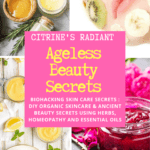
This 300+ page full-color guide is packed with ancient beauty rituals, Ayurvedic remedies, and DIY recipes that support collagen production, reduce inflammation, and promote youthful skin from within. The author, Citrine Joyous, is 46 but regularly gets mistaken for her teenage children’s older sister—living proof that holistic approaches work.
What’s Inside:
- DIY serums and face masks you can make in your kitchen
- Collagen-boosting foods and supplements
- Homeopathic skincare remedies
- Ancient beauty rituals from around the world
- Recipes specifically for mature skin and wrinkle reduction
- Natural alternatives to expensive treatments
Why This Complements Peptides: While your peptide serum works topically, the recipes and wisdom in this book support your skin’s health from every angle—nutrition, stress reduction, natural topical treatments, and holistic wellness practices that all contribute to better skin.
Peptide-Relevant Sections:
- Collagen-boosting elixirs you can make at home
- Foods that support peptide and protein synthesis
- DIY masks that enhance skin firmness
- Supplements that work synergistically with topical treatments
Limited Time Bonuses: Right now you also get three bonus ebooks including “10 Anti-Aging Elixir Recipes”—drinks specifically designed to boost collagen production from within.
The Holistic Approach: You can use this book’s recipes alongside your peptide serum, or go fully natural with DIY peptide-supportive treatments. Many women love combining both approaches—proven peptide technology topically with natural, holistic support from within.
Who Should Use Peptides? (And Who Might Want to Wait)
Peptides are incredibly versatile, but they’re not for everyone at every life stage.
You’re an Ideal Candidate for Peptides If:
You’re in your mid-30s to 40s and want to prevent aging: Peptides are excellent prevention tools. Start using them before you have significant wrinkles, and you may delay or reduce their appearance.
You have sensitive skin that can’t tolerate retinol: Peptides deliver anti-aging benefits without the irritation, dryness, or sun sensitivity that retinol can cause.
You’re dealing with loss of firmness: This is peptides’ superpower—improving skin firmness and elasticity through collagen stimulation.
You want to soften expression lines without injections: Neurotransmitter peptides (like Argireline) offer a non-invasive way to reduce the appearance of forehead lines, crow’s feet, and frown lines.
You have mature skin (50+) and want comprehensive anti-aging: Combining different peptide types addresses multiple aging concerns simultaneously.
You’re recovering from aesthetic procedures: Peptides support healing and collagen remodeling after treatments like microneedling, lasers, or peels.
You prefer gentle, science-backed ingredients: Peptides have decades of research supporting their effectiveness, and they work with your skin rather than forcing dramatic changes.
You Might Want to Wait or Choose Something Else If:
You’re under 25 with no signs of aging: Your skin is likely producing plenty of collagen on its own. Focus on prevention (sunscreen!) and basic skincare. Save peptides for when you actually need collagen support.
You want immediate, dramatic results: Peptides are a long game. If you need quick results for an event or want dramatic transformation, consider professional treatments instead.
You’re on an extremely tight budget and can only afford one product: If you can only buy one anti-aging product, make it sunscreen. If you can afford two, add a retinol. Peptides are fantastic but they’re the third priority after protection and proven cell turnover boosters.
You have very oily, acne-prone skin: While peptides themselves don’t cause breakouts, many peptide serums contain hydrating ingredients that might be too rich for very oily skin. Look for lightweight, oil-free peptide formulations.
Peptides vs. Professional Treatments: What’s the Smart Choice?
Let’s have an honest conversation about how peptide serums compare to in-office treatments and whether you need to choose between them.
Peptides vs. Botox
Botox: $300-600 per treatment area, lasts 3-4 months, requires injections every few months, paralyzes muscles completely, immediate visible results
Peptide Serums: $12-195 for 2-3 month supply, requires daily application, slightly reduces muscle contractions, subtle gradual results over 8-12 weeks
The verdict: These are not either/or. Many dermatologists recommend using peptide serums between Botox appointments to maintain and extend results. Or start with peptides in your 30s to delay the need for Botox. If you’re already getting Botox, peptides help maintain skin quality and may reduce how often you need injections.
Peptides vs. Fillers
Fillers: $600-1500+ per syringe, immediate plumping, requires touch-ups every 6-18 months depending on type, adds volume directly
Peptide Serums: Stimulate your body’s own collagen production gradually, improve skin quality overall, no volume addition, requires consistent long-term use
The verdict: Peptides cannot replace the volumizing effect of fillers. But they can improve the quality and firmness of your skin, which means fillers may look better and last longer. Think of peptides as maintenance and prevention, fillers as targeted volume restoration.
Peptides vs. Laser Treatments
Laser Resurfacing: $1000-5000 per session, dramatic improvement in texture and tone, significant downtime (1-2 weeks), potential side effects, usually done once or periodic touch-ups
Peptide Serums: Gradual improvement in texture and tone, no downtime, very low risk of side effects, requires consistent daily use indefinitely
The verdict: Laser treatments create controlled injury to trigger collagen production. Peptides signal collagen production without injury. Lasers are more dramatic but more invasive. Peptides work beautifully as post-laser support to enhance and maintain results.
The Smart Combination Approach
In your 30s: Peptides + retinol + excellent sun protection = delay need for procedures
In your 40s: Peptides + retinol + Botox (if desired) = maintain skin quality while addressing specific concerns
In your 50s+: Peptides + professional treatments as needed + comprehensive skincare routine = best of both worlds
The key insight: Peptides improve your skin’s foundation and quality. Professional treatments address specific concerns more dramatically. Used together, they’re more effective than either alone.
Common Peptide Questions Answered
Q: Can I use peptides if I’m pregnant or breastfeeding?
A: Peptides are generally considered safe during pregnancy and breastfeeding since they’re just amino acid chains that your body naturally produces. However, always check with your doctor before adding any new skincare products during pregnancy.
Q: Do peptides work on all skin types and tones?
A: Yes. Unlike some ingredients that can cause hyperpigmentation in darker skin tones or irritation in sensitive skin, peptides are universally well-tolerated across all skin types and tones.
Q: Are peptides vegan/cruelty-free?
A: Most modern peptides are synthesized in labs and are vegan. However, some older peptide formulations used animal-derived ingredients. Check individual product information if this matters to you.
Q: Can men use peptide serums?
A: Absolutely. Collagen production decreases with age regardless of gender. Peptides work the same way in everyone’s skin.
Q: What if I don’t see results after 12 weeks?
A: First, assess honestly—are you using it every single day? Are you using enough product? Are you protecting your skin with sunscreen? If yes to all of these and still no results, you might need a stronger formulation or a different peptide type. Consider consulting a dermatologist.
Q: Can I use peptides on my neck and chest?
A: Yes! These areas show aging just as much as your face and benefit equally from peptide treatment. Just apply your face serum to your neck and décolletage after your face.
Q: Do peptides expire? How should I store them?
A: Peptides are generally stable ingredients, but they do degrade over time. Store in a cool, dark place (not the bathroom where heat and humidity fluctuate). Use within 6-12 months of opening for maximum effectiveness.
Q: Can teenagers use peptides?
A: While peptides aren’t harmful to young skin, they’re unnecessary. Teen skin is producing abundant collagen already. Focus on gentle cleansing, moisturizing, and sun protection instead.
The Bottom Line: Are Peptides Worth It?
After all this science and product analysis, let’s cut to the chase: should you invest in peptides?
The honest answer: If you’re over 35 and concerned about firmness, fine lines, or loss of elasticity, yes—peptides are absolutely worth incorporating into your routine.
Why they’re worth it:
- Science-backed with decades of research
- Gentle enough for even sensitive skin
- Work through your skin’s natural processes rather than against them
- Address multiple aging concerns simultaneously
- Can be found at every price point
- Complement other treatments rather than competing with them
Why they might not be for you:
- You want instant results (peptides require patience)
- You’re under 30 with no aging concerns (probably don’t need them yet)
- You want dramatic transformation (professional treatments deliver faster, more dramatic results)
- You’re inconsistent with skincare (peptides need daily use for months to show results)
My recommendation: Start with an affordable option like The INKEY List, Good Molecules, or Naturium. Use it consistently for 12 weeks. If you see improvement and like what peptides do for your skin, consider investing in a more sophisticated formula like The Ordinary’s copper peptides or Paula’s Choice Peptide Booster. If you have the budget and are serious about anti-aging, Alastin is genuinely worth the investment for mature skin with significant concerns.
The peptide philosophy: Think of peptides as a long-term investment in your skin’s structural integrity. They’re not a quick fix or a magic eraser. They’re a way to work with your skin’s biology to maintain and improve firmness, smooth texture, and reduce the visible signs of aging over time.
Used consistently, alongside sun protection and other smart skincare choices, peptides can make a meaningful difference in how your skin looks and behaves as you age.
Here’s to aging with strong, firm, healthy skin that’s supported from the inside out.
Quick Reference: Your Peptide Product Guide
BUDGET-FRIENDLY (Under $20)
- The INKEY List Collagen Peptide Serum – Best for beginners
- Good Molecules Super Peptide Serum – Best value, multiple peptide types
- Naturium Multi-Peptide Serum – Best comprehensive formula
MID-RANGE ($20-60)
- The Ordinary Multi-Peptide + Copper Peptides – Best for mature/sun-damaged skin
- Olay Regenerist Micro-Sculpting Serum – Best drugstore option
- Paula’s Choice Peptide Booster – Best for customizing routine
PREMIUM ($60+)
- Alastin Restorative Skin Complex – Best overall, dermatologist favorite
- CeraVe Skin Renewing Night Cream – Best peptide-infused moisturizer
INSIDE-OUT SUPPORT
- youtric® beauty365 – Collagen building blocks from within
- Radiant Ageless Beauty Secrets Book – DIY peptide-supporting recipes
Looking for more expert beauty and skincare guides for women over 40? Discover our complete collection of in-depth articles, product reviews, and anti-aging tips at Verified Vault Luxe Blog.
Have you tried peptides in your skincare routine? What has your experience been? I’d love to hear which products worked for you in the comments below!
One response
[…] For an in-depth understanding of how peptides work throughout your skincare routine, read our comprehensive Peptides for Skin Firming Guide. […]